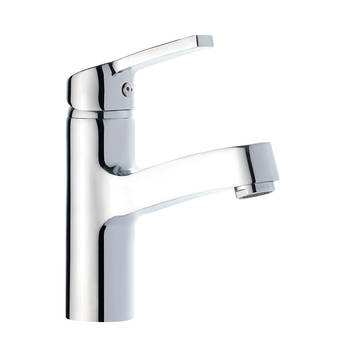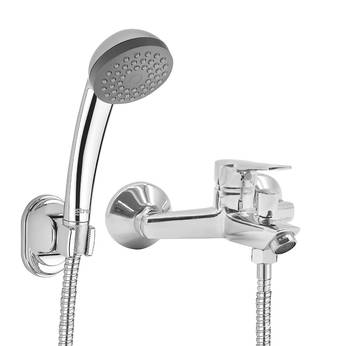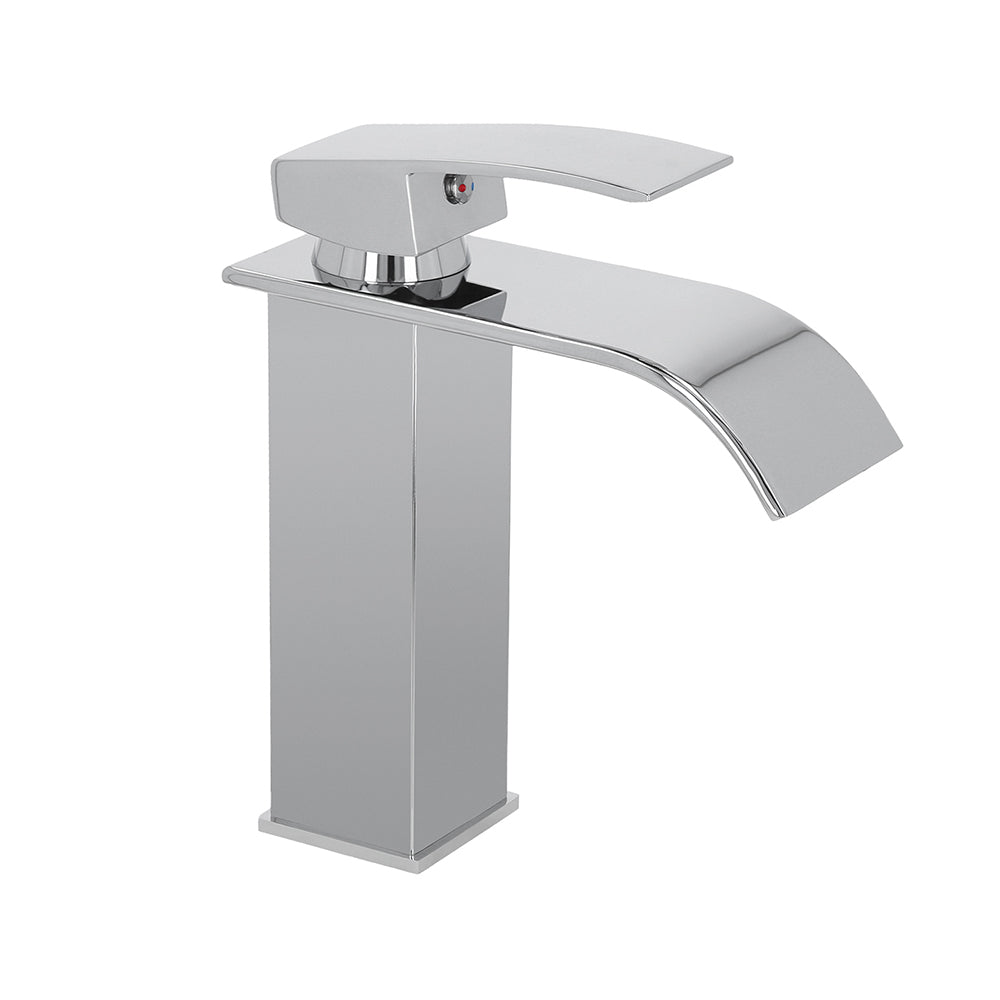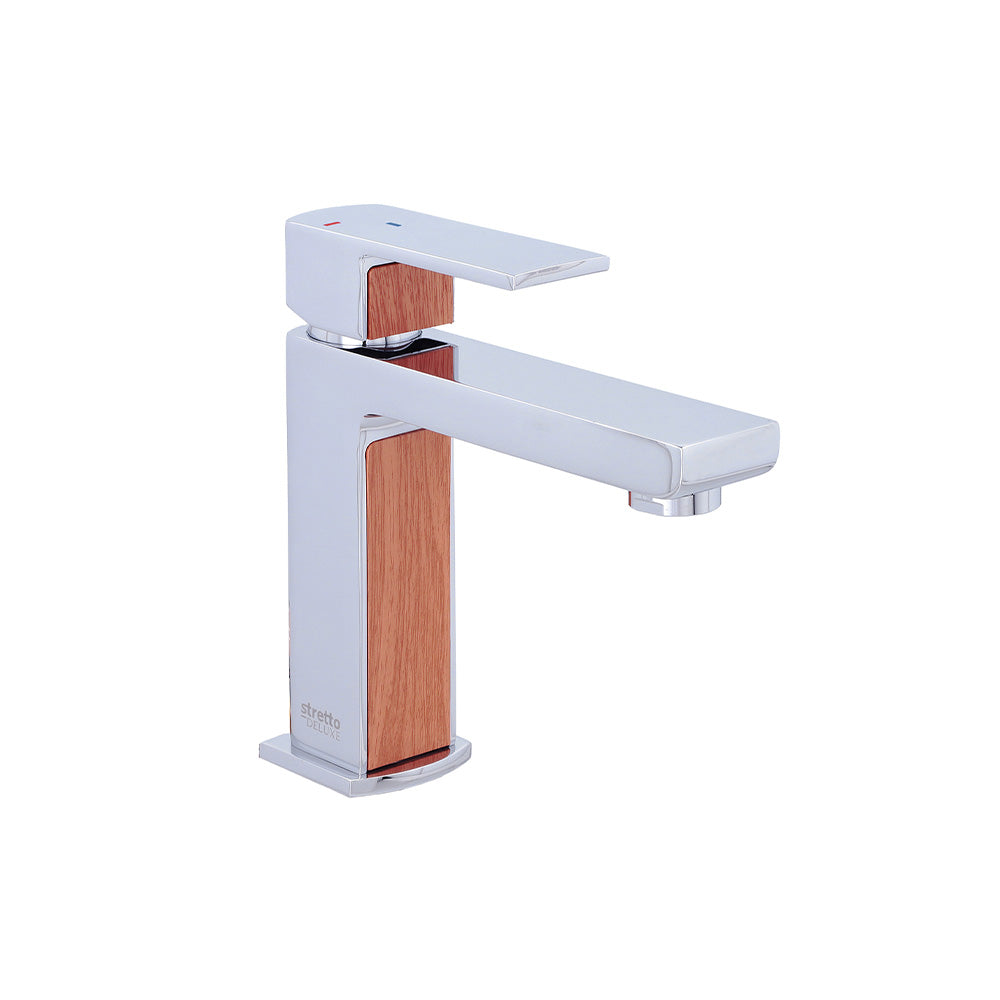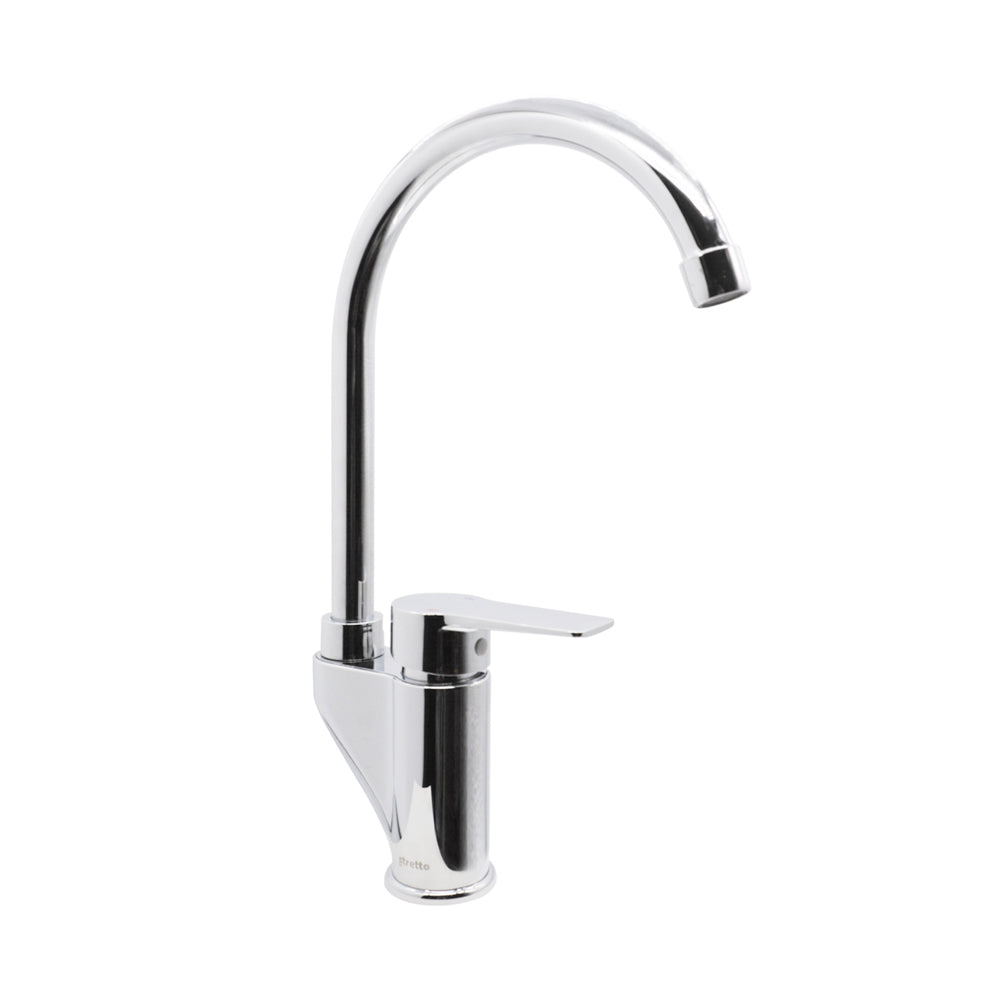



The kitchen faucet is not merely a fixture but a precisely engineered interface designed to bridge the gap between standardized home plumbing and the vast array of global installation environments, pressure regimes, and user expectations. Its ability to function seamlessly across different systems is the result of deliberate design solutions that address core hydraulic and mechanical challenges. Here is a comprehensive analysis of how kitchen faucets achieve this essential adaptability.
1. Universal Connection and Mounting Flexibility
Standardized Inlets: Virtually all faucets utilize globally recognized connection standards—typically 1/2” or 3/8” G-thread inlets for hot and cold water lines. This ensures direct compatibility with standard supply valves and flexible hoses worldwide.
Configurable Installation: Designs accommodate various sink and countertop preparations. Options include single-hole, three-hole (widespread or centerset), and wall-mounted configurations. Many models feature adjustable base plates and extension sleeves to fit a range of deck thicknesses, simplifying retrofits and new installations.
2. Pressure Management and Flow Regulation
Broad Operational Range: High-quality faucets are engineered to perform reliably across a wide pressure spectrum (e.g., 0.5 to 5 bar). Internal flow restrictors are mandated in many regions, capping maximum output (often below 9 L/min at 3 bar) to meet strict water-efficiency standards like the U.S. EPA’s WaterSense or Chile’s NCh 700-2011, regardless of incoming line pressure.
Aerator Technology: The integrated aerator is a critical adaptive component. By mixing air into the water stream, it creates a consistent, splash-resistant flow that feels substantial even under low-pressure conditions, while also conserving water and maintaining user comfort under high pressure.
Pressure-Balancing and Compensation: Advanced cartridges may include pressure-balancing mechanisms that instantly mitigate fluctuations between the hot and cold lines to prevent temperature shocks. Some designs feature pressure-compensating flow regulators that maintain a constant outlet flow rate despite variations in inlet pressure.
3. Precise and Safe Temperature Control
Dual-Handle and Single-Lever Mixing: Both designs blend hot and cold water via durable ceramic disc valves, known for their smooth operation and precise control over the mixing ratio.
Thermostatic Technology: Thermostatic faucets incorporate a wax or shape-memory metal element that automatically adjusts the hot/cold water ratio to maintain a user-pre-selected outlet temperature. This provides critical safety against scalding and ensures comfort, especially in systems with unstable water pressure or temperature.
Cold-Start Default: An energy-saving feature positions the lever handle’s center setting to deliver cold water only, requiring a deliberate turn toward the hot side to activate the water heater.
4. Integration with Modern Water Treatment and Usage Patterns
Filtration System Compatibility: Many faucets are designed with dedicated fourth port or multi-channel functionality to integrate seamlessly with under-sink water filtration systems, allowing instant switching between filtered and standard water from a single spout.
Functional Spray Options: Pull-down or pull-out faucets feature a secondary spray head with multiple modes (e.g., stream, spray, pause). They are connected via a long, durable hose with a weight for retraction and include an anti-backflow device to protect potable water lines.
Instant Hot Water Dispensers: Some models incorporate or are paired with an instant hot water tank (often electric), providing near-boiling water on demand, which is independent of the household’s main hot water system and its associated delays or inefficiencies.
5. Material Science and Regulatory Compliance
Lead-Free and Safe Water Contact: Internal waterway components are constructed from certified materials such as lead-free brass (LFBrass), stainless steel, or NSF-51/61 certified polymers to prevent contamination and comply with stringent international safety standards.
Durability for Diverse Water Qualities: Seals and moving parts utilize materials like silicone or EPDM rubber for their resistance to degradation from chlorine, mineral deposits (limescale), and temperature extremes, ensuring longevity across varying regional water chemistries.
Conclusion
In essence, the contemporary kitchen faucet is a sophisticated hydraulic control module. Through standardized interfaces, intelligent internal mechanisms for pressure and temperature management, flexible mounting solutions, and adherence to global safety and efficiency protocols, it successfully translates the fixed variables of a building’s plumbing into a reliable, safe, and adaptable user experience. This engineered versatility allows it to perform optimally in everything from a high-rise apartment with variable pressure to a rural home with a well system, making it a universally compatible cornerstone of the modern kitchen.